Showing posts with label Robert Coote. Show all posts

Tuesday, October 9, 2018

The Ghost and Mrs. Muir ( 1947 )

"Haunted.....how perfectly fascinating!" 

Recently widowed Lucy Muir desires to start a new life. In pursuit of this, she has left her London lodgings, and her in-laws, to come to Whitecliff-by-the-sea with her daughter and loyal housemaid. There, situated atop a lovely coastal cliff, she finds her ideal home....Gull Cottage. It is up for rent.

"And priced at only 54 pounds per week. That's very inexpensive for a furnished house."

Strong-minded Lucy will not even let the thought of a ghost scare her away from Gull Cottage. The idea of returning to London and the life she led before is not a choice she wants to consider. Even the gruff and determined Captain Daniel Gregg - the apparition she comes to meet there one dark and stormy night - yields to her wish to remain at his beloved home.

He had been frightening away, with his boyish pranks, all prospective tenants to Gull Cottage for the last several years and the fact that Mrs. Muir chooses to stay in spite of knowing he haunts the house wins her his admiration. 

During their coming year together, a gentle love blossoms between this ghost of a roguish sea captain and the spirited Victorian widow. She comes to see Captain Gregg not only as a dear friend but as an anchor and a pillar of support. Their relationship deepens when Lucy – forced to earn money for payment of the cottage – pens the captain’s memoirs, “Blood and Swash”. However, when she meets the suave author Miles Fairley (George Sanders) while at the publishing house, the Captain realizes that his “Lucia” may be wanting the love, companionship, and reality of a mortal man.

"Real happiness is worth almost any risk…. but be careful me dear, there may be breakers ahead" 

Joseph Mankiewicz's wonderfully whimsical fantasy was released in theatres in 1947 to great commercial success. It was based on the novel, “The Ghost and Mrs. Muir" written two years earlier by author Josephine Leslie, who - like her character Lucy Muir - published her book under a much more masculine pseudonym...R.A. Dick.

20th Century Fox purchased the rights to the story shortly after its publication and selected Philip Dunne to rework it into a fitting screenplay for a feature film. Philip Dunne was a very talented screenwriter who had been nominated for an Academy Award in 1941 for How Green Was My Valley. He retained much of the essence of the book, and much of the plot, too - with the exception of eliminating the character of Mrs. Muir's son. 
What resulted from his penwork was a sweeping romance like none other of the era. The script, the actors, Mankiewicz’s direction, the breathtaking cinematography (by Charles Lang Jr.) and Bernard Herrman’s beautifully haunting score all combined to make The Ghost and Mrs. Muir one of the most enchanting, timeless, and delightful films ever made in Hollywood.

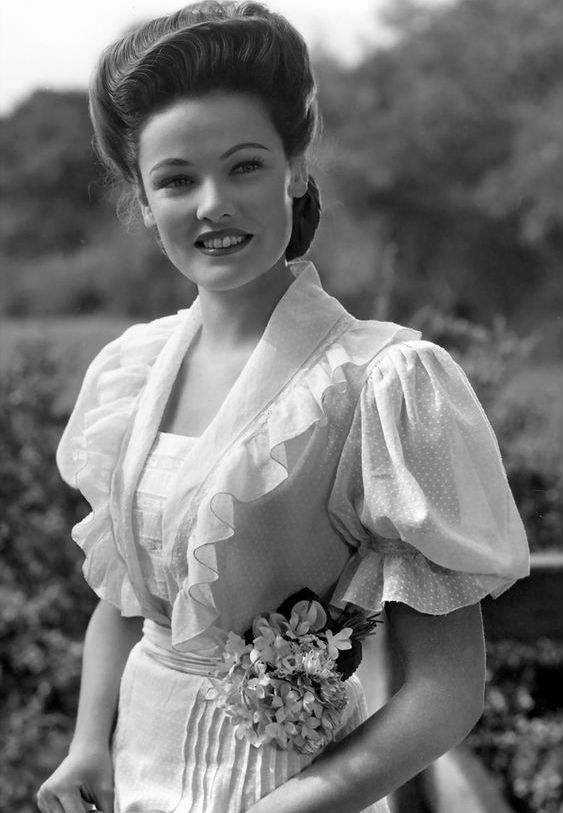
Rex Harrison is superb as our beloved sea captain – handsome, brawny, and blazed-eyed….a man in every sense of the word. While Gene Tierney is his perfect mate - beautiful, prim and respectable. What they both shared was the spirit of adventure in their souls.

"How you’d of loved the North Cape and the fjords and the midnight sun…to sail across the reef at Barbados where the blue waters turn to green….to the Falklands, where a southerly gale rips the whole sea white…..Oh, what we’ve missed Lucia! What we’ve both missed." 

The rest of this excellent cast includes George Sanders (playing his usual deliciously sly self), character actress Edna Best as Mrs. Muir’s right hand arm and dear companion Martha, little Natalie Wood as daughter Anna, English stage legend Isobel Elsom as Lucy’s mother-in-law,Robert Coote as the real-estate agent, Anna Lee as “the wife”, and Austrian actress Vanessa Brown as the grown-up Anna. 

While “flesh and blood”, Captain Gregg must have been a magnificent seaman and one can imagine the loyalty he inspired in his men aboard ship. Square shouldered, steadfast and weathered from his voyages, he was wise beyond his years, or as he described himself…

"I did not lead a very wise life but it was a full one and a grown-up one. You come to age very quickly through shipwreck and disaster and at the heart of the whirlpool some men find God."

Lucy Muir is quite an independent woman for the turn-of-the-century. Young, innocent and idealistic, she had married a man who had swept her off her feet, only to discover that he was not the romantic she had thought him to be. After his death, she wants to live a life of her own, free to make decisions without anyone warning her of society’s views on her actions. She finds her true self and her peace at Gull Cottage. And there amongst the splendor of the ocean she does not dream of her husband returning to life, but rather of a Gothic hero, a spirit like the Flying Dutchman, a man who worships her as much as the fairest lady he ever knew...the mighty Sea herself.

But is Captain Gregg a dream, or is he a man full of life and vigor just as much as Lucy? 

Years later, when Mrs. Muir’s hair is white and the driftwood by the beach battered and worn by the crashing tide, she still reflects upon her “dream” of the captain. In spite of being a very beautiful woman, she had chosen to live her days in the seclusion of Gull Cottage. We have the notion that men were not something Mrs. Muir ever pursued again. The ideal nature of the captain and the comradery they shared would be hard for any mere mortal man to duplicate.


Instead, all of Lucy’s real relationships are with other women….her maid being the only lasting friendship she has known. Her daughter has her own life to lead and as she grows older she becomes as remote as the rest of the world that Lucy has turned her back against. But loneliness is something our heroine never knows, for she feels content and secure in her memories and secretly lives in hope of something as real as what she was dreaming of all those years.

In the hands of another director, The Ghost and Mrs. Muir may have been a tragic story, a story of lost love and regret and of a woman living out an empty life of isolation. But instead, under the direction of Joseph Mankiewicz, it becomes a magnificent mystical romance. Gentle and warm and humorous, too. It is a tale of love transcending all boundaries.

Saturday, November 14, 2015

The Many Charms of Robert Coote

"You would come. I didn't want to show it to you, but, oh, no, no, you just had to see it!" 

Mr. Coombes, who uttered these words in the beloved 1947 classic The Ghost and Mrs. Muir, was just one of many characters portrayed by English actor Robert Coote. Like most character actors, Robert Coote's face is more familiar than his name and a quick search online would reveal that even that name is nearly forgotten. However, a forgotten name does not represent a forgettable player. 

Coote was born on February 4, 1909 in London and grew up in the atmosphere of the theatre with his mother being a dancer and his father, Bert Coote, a popular music hall comedian. The younger Coote loved the stage as a boy and at the age of 16 left school to join a touring repertory company where, in 1925, he made his stage debut as a manservant in The Private Secretary.

Coote dabbled in various productions throughout the 1920s and, in 1931, landed his first uncredited movie role in Sally in Our Alley as a waiter. After only a few small parts in other films, Coote portrayed a leading role as a flight lieutenant in Rangle River, a Zane Grey adventure flick. This part led to him landing the ducky role of Wavertree, a student who tries his darnest to get booted from Oxford, in A Yank at Oxford ( 1938 ), Metro-Goldwyn-Mayer's inaugural Anglo-American production. While Robert Taylor's character was garnering all the attention from the young ladies in the audience, Coote's character provided the comic relief in the story and kept things light and jolly. This was just one of Coote's many charms, he was such an amiable chap. 


In 1939 he was cast as Higgenbotham in Gunga Din with Cary Grant. He also played small parts in two nurse-themed pictures - Nurse Edith Cavell and Vigil in the Night. 

Coote could very well have had a steady career as a supporting player in British and Hollywood productions had it not been for the outbreak of World War II. Like most actors, he put his career on hold while he went off to serve his country. Oddly enough, he did not sign up with Britain's fighting legions but went on to join the Royal Canadian Air Force. Between 1940-1946, Coote served as a squadron leader taking time off to act only in the interest of the RCAF. He portrayed himself in the 1942 documentary Commandos Strike at Dawn and in 1943 helped organize a RCAF stageshow, Blackouts of 1943. He must have been a good squadron leader as well. 


After the war, one of the first roles Coote portrayed was that of an Air Force pilot in the Powell and Pressburger classic Stairway to Heaven. This was one of many films that he played in with his good friend Sir David Niven. They would also team up on television twenty years later for The Rogues ( 1964-1965 ), for which Coote was nominated for an Emmy Award. 

Another one of Coote's charms was his comradery and almost all of his career was spent portraying friends to the hero of the story. This was the case in A Yank at Oxford, Stairway to Heaven, The Prisoner of Zenda, and in The Three Musketeers, where he played one of the loyal sword-yielding comrades: Aramis. You could always find an ally in one of Coote's characters. 


The late 1940s were busy years for the Brit and he landed parts in nine different film productions, including The Ghost and Mrs. Muir, Forever Amber, and The Red Danube. The roles given to Robert Coote while he worked at Twentieth Century Fox were similar to those handed to Richard Haydn. These usually required a good dose of English pomposity or a touch of eccentricity and, like Haydn, he milked the most he could from these parts.

During the 1950s, Coote got to work alongside one of MGM's most popular leading men - Stewart Granger - in the swashbucklers Scaramouche and The Prisoner of Zenda. He also appeared for the first time on Broadway in The Love of Four Colonels and Dear Charles, receiving rave reviews for both comedic performances. 


Another charming feature of Coote's character was his aristocratic bearing. Upbringing means a lot to the British gentry and Robert had the bearing of a thoroughly well-bred Englishman. You would never find him portraying a beggar or a lowly sort of character. 

In 1956 he played his most famous role on Broadway, that of Colonel Pickering in the Lerner and Lowe production of My Fair Lady starring his friend Rex Harrison and Julie Andrews. This character embodied all of the charms that Robert Coote had become known for - affability, comradery, and gentility. Coote joined the cast on the national tour and appeared in the 1976 revival as well, but - like Andrews - did not reprise his role for the 1965 film adaption. Not surprisingly, he was nominated for a Tony Award for his performance as the Colonel.


Coote also originated the part of King Pellinore in the musical Camelot, appearing in 874 performances on Broadway in 1960 before trying his hand at a regular television series - The Rogues. Coote had welcomed with open arms the new medium of television during the early 1950s and, beginning with the Robert Montgomery Presents show, became a frequent player on televised dramatic plays and series ( including The Whitehall Worrier ) up until his last performance as a regular on the 1981 television series Nero Wolfe. 


Robert Coote died peacefully in his sleep at the age of 73. He had never married and lived the life of an ocean-hopper, splitting his time between his residence in London and at the New York Athletic Club. 

Although most film fans would agree that if this post was devoid of photos they would not even know how Coote looked like...trust us, after viewing his performances his many charms will become quite obvious. 

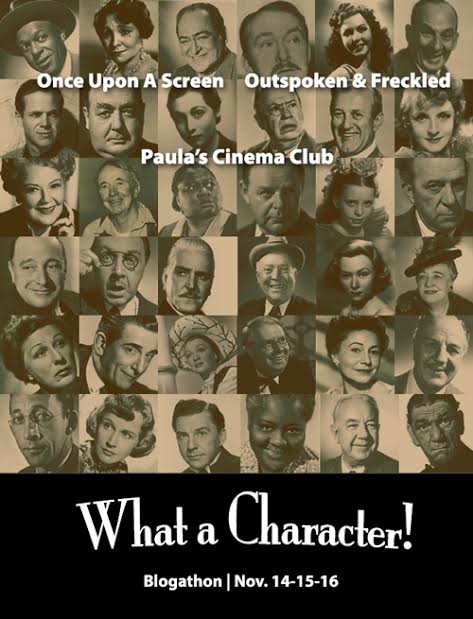
This post is our contribution to our favorite What a Character! Blogathon being hosted by Once Upon a Screen, Outspoken and Freckled, and Paula's Cinema Club. Head on over to any of these sites to check out the roster of writers covering their favorite character actors. 

Tuesday, February 3, 2015

The Many Charms of Robert Coote

"You would come. I didn't want to show it to you, but, oh, no, no, you just had to see it!" 

Mr. Coombes, who uttered these words in the beloved 1947 classic The Ghost and Mrs. Muir, was just one of many characters portrayed by English actor Robert Coote. Like most character actors, Robert Coote's face is more familiar than his name and a quick search online would reveal that even that name is nearly forgotten. However, a forgotten name does not represent a forgettable player. 

Coote was born on February 4, 1909 in London and grew up in the atmosphere of the theatre with his mother being a dancer and his father, Bert Coote, a popular music hall comedian. The younger Coote loved the stage as a boy and at the age of 16 left school to join a touring repertory company where, in 1925, he made his stage debut as a manservant in The Private Secretary.

Coote dabbled in various productions throughout the 1920s and, in 1931, landed his first uncredited movie role in Sally in Our Alley as a waiter. After only a few small parts in other films, Coote portrayed a leading role as a flight lieutenant in Rangle River, a Zane Grey adventure flick. This part led to him landing the ducky role of Wavertree, a student who tries his darnest to get booted from Oxford, in A Yank at Oxford ( 1938 ), Metro-Goldwyn-Mayer's inaugural Anglo-American production. While Robert Taylor's character was garnering all the attention from the young ladies in the audience, Coote's character provided the comic relief in the story and kept things light and jolly. This was just one of Coote's many charms, he was such an amiable chap. 


In 1939 he was cast as Higgenbotham in Gunga Din with Cary Grant. He also played small parts in two nurse-themed pictures - Nurse Edith Cavell and Vigil in the Night. 

Coote could very well have had a steady career as a supporting player in British and Hollywood productions had it not been for the outbreak of World War II. Like most actors, he put his career on hold while he went off to serve his country. Oddly enough, he did not sign up with Britain's fighting legions but went on to join the Royal Canadian Air Force. Between 1940-1946, Coote served as a squadron leader taking time off to act only in the interest of the RCAF. He portrayed himself in the 1942 documentary Commandos Strike at Dawn and in 1943 helped organize a RCAF stageshow, Blackouts of 1943. He must have been a good squadron leader as well. 


After the war, one of the first roles Coote portrayed was that of an Air Force pilot in the Powell and Pressburger classic Stairway to Heaven. This was one of many films that he played in with his good friend Sir David Niven. They would also team up on television twenty years later for The Rogues ( 1964-1965 ), for which Coote was nominated for an Emmy Award. 

Another one of Coote's charms was his comradery and almost all of his career was spent portraying friends to the hero of the story. This was the case in A Yank at Oxford, Stairway to Heaven, The Prisoner of Zenda, and in The Three Musketeers, where he played one of the loyal sword-yielding comrades: Aramis. You could always find an ally in one of Coote's characters. 


The late 1940s were busy years for the Brit and he landed parts in nine different film productions, including The Ghost and Mrs. Muir, Forever Amber, and The Red Danube. The roles given to Robert Coote while he worked at Twentieth Century Fox were similar to those handed to Richard Haydn. These usually required a good dose of English pomposity or a touch of eccentricity and, like Haydn, he milked the most he could from these parts.

During the 1950s, Coote got to work alongside one of MGM's most popular leading men - Stewart Granger - in the swashbucklers Scaramouche and The Prisoner of Zenda. He also appeared for the first time on Broadway in The Love of Four Colonels and Dear Charles, receiving rave reviews for both comedic performances. 


Another charming feature of Coote's character was his aristocratic bearing. Upbringing means a lot to the British gentry and Robert had the bearing of a thoroughly well-bred Englishman. You would never find him portraying a beggar or a lowly sort of character. 

In 1956 he played his most famous role on Broadway, that of Colonel Pickering in the Lerner and Lowe production of My Fair Lady starring his friend Rex Harrison and Julie Andrews. This character embodied all of the charms that Robert Coote had become known for - affability, comradery, and gentility. Coote joined the cast on the national tour and appeared in the 1976 revival as well, but - like Andrews - did not reprise his role for the 1965 film adaption. Not surprisingly, he was nominated for a Tony Award for his performance as the Colonel.


Coote also originated the part of King Pellinore in the musical Camelot, appearing in 874 performances on Broadway in 1960 before trying his hand at a regular television series - The Rogues. Coote had welcomed with open arms the new medium of television during the early 1950s and, beginning with the Robert Montgomery Presents show, became a frequent player on televised dramatic plays and series ( including The Whitehall Worrier ) up until his last performance as a regular on the 1981 television series Nero Wolfe. 


Robert Coote died peacefully in his sleep at the age of 73. He had never married and lived the life of an ocean-hopper, splitting his time between his residence in London and at the New York Athletic Club. Although most film fans would agree that if this post was devoid of photos they would not even know how Coote looked like...trust us, after viewing his performances his many charms will become quite obvious.