"I just thought of a scathingly brilliant idea!"
Mary ( Hayley Mills ) is chock-full of scathingly brilliant ideas, most of them taking the form of pranks to play on the nuns at St. Francis Academy, the convent school for girls that she and her partner-in-crime Rachel ( played by newcomer June Harding ) attend. These teenage girls are naturally bent towards mischief, and trying the patience of Mother Superior ( Rosalind Russell ) is their sole source of amusement. But just when there seems to be no hope for these incorrigible students, Mary has a change of heart and finds that life at St. Francis can be quite habit-forming.
Ida Lupino stepped behind the camera, after a 13-year hiatus, to direct The Trouble with Angels, a humorous and endearing family film based upon "Life with Mother Superior", Jane Trahey's highly amusing autobiographical account of her years spent in a convent school.
Producer William Frye had attempted to coax Greta Garbo out of retirement with a $1,000,000 offer to portray Mother Superior in the film, but, having failed, secured the talents of another MGM alumni, the great Roz Russell. This old pro was an ideal choice for the part, not only because she was a devout Catholic in real life, but because Russell could bring out the commanding ( almost frightening ) presence that the role of Mother Superior required, and yet make her as beloved as any of the other characters. She holds you in her thrall, whether she is barking orders like a drill sergeant, reacting to soap bubbles coming out of her tea, or purring like a kitten over the "blessedly quiet" new furnace. Russell is also given an ample amount of barbed quips to fling at the girls, which only she could do so well.
"I'm convinced that it would be a cruel and un-Christian act to let you two loose on an unsuspecting world. The world is not yet ready for you!"
Both Mary and Rachel's antics are innocent bits of defiance, meant to while away the long - and boring - days at St. Francis, and they range from smoking cigars in the school's basement, to encasing another student's face with Plaster of Paris. Rachel is a "born follower", gawky, and not particularly clever having been educated at the progressive school of New Trends ( where she was instructed in valuable subjects like "silent piano" lessons ). She meets Mary on the bus en route to the school and quickly becomes her stooge, sharing in the pranks which continually put her in hot-soup with Mother Superior, and usually result in the punishment of washing school pots. "I wonder if my father knows he's paying good money to have his daughter educated as a janitor", she muses. June Harding was making her film debut after doing several television episodes ( notably The Richard Boone Show ) and she is adorable as Rachel.
Hayley Mills is simply marvelous as Mary Clancy. She had enjoyed a long career with Walt Disney as a child actress and The Trouble with Angels served as an excellent transitional film, introducing her fans to the fact that Mills was no longer a child and was gradually becoming a young woman. She brings an authentic rebelliousness to the part of Mary, allowing other teenage girls to sympathize with her resentment of the school and religion. And yet, she gives heart to this delinquent. Mary is an orphan, sent to St. Francis by her Uncle George ( Kent Smith ), a wealthy man who wants her out of the way so he can enjoy the "companionship" of his secretaries. She has a mature outlook on life and sees the cynical side to everything.
As much as Mary resents Mother Superior, she is fascinated by her and often watches her, wondering what made her - or any of the nuns, for that matter - decide to take the veil. She finds that behind Mother Superior's cold demeanor is much inner pain. Little does she realize how much she has in common with her.
Blanche Hanalis' extremely quotable script puts equal emphasis on the plights of both the girls and the nuns. The audience never takes sides. We aren't rooting for Mary to knock-out Mother Superior and win the bout, neither do we wish to see Mother Superior "convert" these little devils into angels. As stern as Mother Superior is, she genuinely cares for the girls in her charge and desires to prepare them to make their own way in the real world.
"To bend but not to break...to yield but not capitulate...to have pride but also humility. This has always been my struggle, Sister. Can I be less tolerant of Mary than the church has been of me?"
Each year at St. Francis, Mary finds her pre-conceived notions of religion shattering as Mother Superior, quite unknowingly, bends her gently towards God. Both Mills performance and Lupino's skillful direction made this a gradual evolution of character, brought out through subtle scenes in key moments, notably the death of Sister Luguiri ( Marge Redmond ), Sister Constance's ( Camilla Sparv ) decision to leave the convent, and Mary's visit to the nursing home, where she witnesses the failings of human love.
Rounding out the cast are some notable character actresses such as Gypsy Rose Lee ( as a visiting dance instructor ), Mary Wickes, Binnie Barnes, Judith Lowry, and Marjorie Eaton as the Sisters. Jim Hutton also makes an uncredited appearance as Mr. Petrie, headmaster of New Trends.
The Trouble with Angels was so popular upon its release that it spawned the sequel Where Angels Go Trouble Follows ( 1968 ), but, without Ida Lupino's compassionate eye guiding the film, it failed to create characters of depth or leave a memorable impression....making audiences realize just how scathingly brilliant this original film was.
This post is our contribution to The Early Women Filmmakers Blogathon being hosted by Movies Silently. Be sure to check out all of the great posts about female-directed films! Also, any fan of Angels would want to read June Harding's letters home to her mother during the making of the film. They are great fun to read and provide insight into the development of the motion picture.
Showing posts with label directors. Show all posts
Wednesday, March 29, 2017
Saturday, January 23, 2016
Director Henry Koster and James Stewart
James Stewart and director Henry Koster made a wonderful team. They worked together on five films, beginning with the highly entertaining Harvey. Stewart had made numerous comedies in the 1930s and 1940s and had a natural knack for comedy, but in the 1950s and 1960s he was turning more and more towards dramatic roles in westerns, biopics, and war films. The few comedies that he made in this period, almost all of which were directed by Koster, gave him a chance to return to the charming, and rather clumsy, type of characters that fans came to love in his earlier films.
The Director
Henry Koster arrived in Hollywood from Germany in 1936 and, along with his friend, producer Joe Pasternak, managed to convince Universal to let him make Three Smart Girls. The film was a great success, pulling Universal from the verge of bankruptcy, and it launched the 14-year old Deanna Durbin, who was making her first film, to stardom. His next film - 100 Men and a Girl - established Durbin, Pasternak, and himself on top and for the next decade they were busy with Durbin's musicals. It wasn't until 1947 that Koster attempted a dramatic picture - The Unfinished Dance. This film, made at MGM, demonstrated Koster's flair for elevating a good story and script to great entertainment. His follow-up film, The Bishop's Wife ( 1948 ) earned him his first Academy Award nomination for best director.
A Key Collaboration
James Stewart was a favorite actor among many directors. He made eight films with Anthony Mann, four with John Ford, and three with Frank Capra. The five-picture collaboration he had with Henry Koster began with Harvey ( 1950 ), a film which Stewart claimed was his favorite motion picture. His portrayal of a whimsical middle-aged man who has an invisible giant rabbit for a companion earned him a Best Actor Oscar nomination.
Preston Sturges had initially expressed interest in purchasing the screenrights to the popular stage play "Harvey" in the mid-1940s, but luckily Universal bought it first and it became a project for Henry Koster. Sturges may have made the film more amusing, but Koster gave it heart, and plenty of it. Like Frank Capra, Koster had a way of reaching out to his audience, leaving them with a little moral to ponder when the film is over, but he did so in a much subtler manner. His films tend to give you a warm feeling and inspire sympathy for one's fellow man.
Henry Koster had directed some of the biggest names in Hollywood ( Loretta Young, Celeste Holm, Elsa Lanchester, and Richard Burton all received Oscar nominations for roles in Koster films ), but working with James Stewart was a special experience for him. "[Working with him was] without any doubt one of the most pleasant experiences in my life....It must have been his spirit. There was very little friction, ever, only ambition and craftsmanship and precision, just doing it right professionally. On top of that he put the whipped cream of great talent."
Harvey became Koster's biggest success to date and was a fan favorite upon its initial release. Stewart and Koster were both unable to attend the premiere of the film however, because they were in England, already hard at work on their next picture - No Highway in the Sky ( 1951 ). James Stewart once again portrayed an eccentric character, but this time as a aeronautical engineer with a dire warning for an airline company.
Three Fox Comedies
James Stewart had a busy filming schedule throughout the 1950s, filming numerous westerns, two Alfred Hitchcock thrillers, and biopics such as The Glenn Miller Story ( 1954 ) and The Spirit of St. Louis ( 1957 ). It would be more than a decade before he would reunite with Henry Koster for Mr. Hobbs Takes a Vacation ( 1962 ), a colorful creampuff comedy geared towards teens and adults alike.
Based on a novel by Edward Streeter ( "Father of the Bride" ), it tells the story of a businessman ( Stewart ) who wants to spend a vacation alone with his wife minus their children. Instead, he finds himself hoodwinked into spending the summer at a ramshackled house on the beach with his whole brood - grandchildren, son-in-laws, and all. Maureen O'Hara couldn't look any more stunning than she did in this film, and singing-sensation Fabian drew in the younger female audience. The film was strewn with little incidents that all bore Koster's trademark of subtle humor.
Audiences loved seeing Stewart playing a harassed father and the success of the movie inspired Koster to produce their next film together, Take Her, She's Mine ( 1963 ). James Stewart reprised his befuddled-father act, this time playing a lawyer concerned that his daughter ( Sandra Dee ) is becoming a "loose" woman while away at college. It seems everyone recognizes that his daughter has matured into a woman except Papa. This was a subject not often tackled in movies. Writers Henry and Phoebe Ephron penned the play based upon their own experiences with their college-aged daughter, Nora. Screenwriter Nunnally Johnson adapted the play into a script, adding a clever running gag of Frank Michaelson ( Stewart ) constantly being mistaken for James Stewart!
Take Her, She's Mine lacked the charm Mr. Hobbs possessed, but nevertheless it did well at the box-office, and so Koster and Stewart teamed up once more for a third comedy in the same vein - Dear Brigitte ( 1965 ). Billy Mumy starred as a 10-year old boy genius who devised a system for picking winning horses. He has a crush on Brigitte Bardot and gets his wish of visiting her in France after he agrees to help his father's university raise scholarship funds.
James Stewart was reunited with his No Highway in the Sky co-star Glynis Johns to play Mumy's parents, both bewildered by the fuss the media is making over their son. Dear Brigitte was one of the last of the light-hearted family comedies made in the 1960s, and while a handful were produced after this, they often dealt with more serious "teen issues" involving sex and drugs.
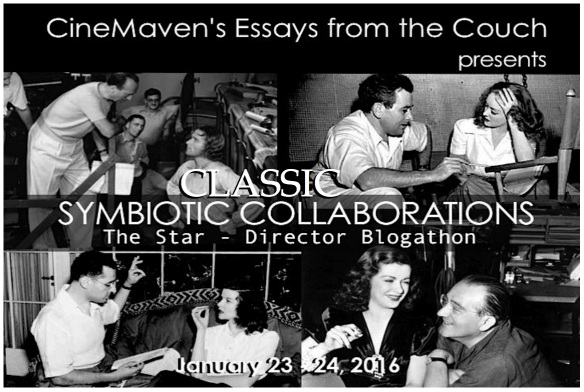
This post is our contribution to the Classic Symbiotic Collaborations Blogathon being hosted by Cinemaven's Essays from the Couch. Head on over to her site to check out more posts on popular directors and the stars they made multiple films with.
The Director
Henry Koster arrived in Hollywood from Germany in 1936 and, along with his friend, producer Joe Pasternak, managed to convince Universal to let him make Three Smart Girls. The film was a great success, pulling Universal from the verge of bankruptcy, and it launched the 14-year old Deanna Durbin, who was making her first film, to stardom. His next film - 100 Men and a Girl - established Durbin, Pasternak, and himself on top and for the next decade they were busy with Durbin's musicals. It wasn't until 1947 that Koster attempted a dramatic picture - The Unfinished Dance. This film, made at MGM, demonstrated Koster's flair for elevating a good story and script to great entertainment. His follow-up film, The Bishop's Wife ( 1948 ) earned him his first Academy Award nomination for best director.
![]() |
| Henry Koster with James and Gloria Stewart |
A Key Collaboration
James Stewart was a favorite actor among many directors. He made eight films with Anthony Mann, four with John Ford, and three with Frank Capra. The five-picture collaboration he had with Henry Koster began with Harvey ( 1950 ), a film which Stewart claimed was his favorite motion picture. His portrayal of a whimsical middle-aged man who has an invisible giant rabbit for a companion earned him a Best Actor Oscar nomination.
Preston Sturges had initially expressed interest in purchasing the screenrights to the popular stage play "Harvey" in the mid-1940s, but luckily Universal bought it first and it became a project for Henry Koster. Sturges may have made the film more amusing, but Koster gave it heart, and plenty of it. Like Frank Capra, Koster had a way of reaching out to his audience, leaving them with a little moral to ponder when the film is over, but he did so in a much subtler manner. His films tend to give you a warm feeling and inspire sympathy for one's fellow man. Henry Koster had directed some of the biggest names in Hollywood ( Loretta Young, Celeste Holm, Elsa Lanchester, and Richard Burton all received Oscar nominations for roles in Koster films ), but working with James Stewart was a special experience for him. "[Working with him was] without any doubt one of the most pleasant experiences in my life....It must have been his spirit. There was very little friction, ever, only ambition and craftsmanship and precision, just doing it right professionally. On top of that he put the whipped cream of great talent."
Harvey became Koster's biggest success to date and was a fan favorite upon its initial release. Stewart and Koster were both unable to attend the premiere of the film however, because they were in England, already hard at work on their next picture - No Highway in the Sky ( 1951 ). James Stewart once again portrayed an eccentric character, but this time as a aeronautical engineer with a dire warning for an airline company.
![]() |
| James Stewart and Glynis Johns in No Highway in the Sky |
Three Fox Comedies
James Stewart had a busy filming schedule throughout the 1950s, filming numerous westerns, two Alfred Hitchcock thrillers, and biopics such as The Glenn Miller Story ( 1954 ) and The Spirit of St. Louis ( 1957 ). It would be more than a decade before he would reunite with Henry Koster for Mr. Hobbs Takes a Vacation ( 1962 ), a colorful creampuff comedy geared towards teens and adults alike.
Based on a novel by Edward Streeter ( "Father of the Bride" ), it tells the story of a businessman ( Stewart ) who wants to spend a vacation alone with his wife minus their children. Instead, he finds himself hoodwinked into spending the summer at a ramshackled house on the beach with his whole brood - grandchildren, son-in-laws, and all. Maureen O'Hara couldn't look any more stunning than she did in this film, and singing-sensation Fabian drew in the younger female audience. The film was strewn with little incidents that all bore Koster's trademark of subtle humor.
Audiences loved seeing Stewart playing a harassed father and the success of the movie inspired Koster to produce their next film together, Take Her, She's Mine ( 1963 ). James Stewart reprised his befuddled-father act, this time playing a lawyer concerned that his daughter ( Sandra Dee ) is becoming a "loose" woman while away at college. It seems everyone recognizes that his daughter has matured into a woman except Papa. This was a subject not often tackled in movies. Writers Henry and Phoebe Ephron penned the play based upon their own experiences with their college-aged daughter, Nora. Screenwriter Nunnally Johnson adapted the play into a script, adding a clever running gag of Frank Michaelson ( Stewart ) constantly being mistaken for James Stewart!
James Stewart was reunited with his No Highway in the Sky co-star Glynis Johns to play Mumy's parents, both bewildered by the fuss the media is making over their son. Dear Brigitte was one of the last of the light-hearted family comedies made in the 1960s, and while a handful were produced after this, they often dealt with more serious "teen issues" involving sex and drugs.
After Dear Brigitte, Henry Koster made one more film - The Singing Nun - before deciding that it was time to hang up his hat and retire from directing. He spent his leisure hours persuing another great passion - painting. He even created a painting of his dear friend Jimmy Stewart.
Jimmy, on the other hand, continued acting on stage and in films throughout the 1970s and 1980s. Twenty years after the release of Koster and Stewart's first film together, he starred in a triumphant Broadway revival of "Harvey" opposite Helen Hayes.
This post is our contribution to the Classic Symbiotic Collaborations Blogathon being hosted by Cinemaven's Essays from the Couch. Head on over to her site to check out more posts on popular directors and the stars they made multiple films with.
Subscribe to:
Posts (Atom)