Friday, October 9, 2026

The Universal Monsters Mystery Games of 1963

Hasbro is one of the largest toy and game manufacturers in the world today, but when they first started (back when they were labeled the Hassenfeld Brothers) they were primarily known as a toy maker and barely dabbled in the gaming industry. The few games that they did release met with little success. 

However - just like today - the Hassenfeld Brothers knew that any game would sell if it had a popular Movie/TV theme linked with it. So what would be popular with children in the early 1960s? Monsters! And what kind of monsters? The good ol' Universal monsters: Dracula, Frankenstein, The Mummy, The Creature from the Black Lagoon, etc, etc. So, in 1963, Hasbro released a board game for each of these famous monsters.... the only one that was missing was The Invisible Man. 

The Mummy Mystery Game

"Explore the Ancient Crypts of Egypt" teases the front box, but inside it is a simple spin-and-move game where you land on spaces marked "Take a Crypt Card" and must reach the end with 10 of these. Getting caught by the Mummy simply holds you back a little in this race game. The highlight of the game is the board itself with its marvelous painted mummy and the Egyptian desert scene. 

The Creature from the Black Lagoon Mystery Game

This game's object is "to escape from the Black Lagoon" but it appears that the fun part of the game is getting caught by the creature and being taken to its cave, so so much for wanting to escape....

Dracula Mystery Game

This one features some great early 1960s color schemes and once again is a simple roll-and-move race game. It appears that the players are attempting to escape Dracula's Castle and he has his own spinner as well, so he probably foils you if you are not lucky. Too bad he didn't "bite" your character and then you have to chase your opponents down and land on their space to turn them into vampires as well. That would be too imaginative a game for Hasbro. 


Frankenstein Mystery Game

This is another race game whose graphics are better than the game itself. Oddly enough, all of these games have the players using cardboard standees of the monsters as their own playing pieces and yet trying to escape from the monster via the board route. This one has little Monsters that are placed on a stylized German village. 


Wolfman Mystery Game

Another not-too-imaginative game involving the Wolf Man. Here players race to get from one camp to another and pass various dangers along the way, including a snake pit. Unfortunately, there are no gypsies and no Maria Ouspenskaya chanting the legend, "Even a man who is pure in heart and says his prayers at night....." featured in the game. Too bad....


The Phantom of the Opera Mystery Game

Lastly, there was The Phantom of the Opera and once again it features great art of the ghoulish organist. Sadly, it's pretty much the same game as the others with a simple spinner and playing pieces in the form of the phantom (why would players be dressed as the phantom and attempt to escape the phantom?), with the object being to - you guessed it! - escape the phantom's dungeon. 

Hasbro had the phan-tastic idea of making games themed around the famous Universal monsters - and they probably appealed to youngsters - but they are a little too simple for the 12-year old+ crowd... especially today's 12-year-olds! 

Today, these games are popular among collectors because of its monster theme. The Phantom of the Opera seems to be the rarest among the lot and most of these games fetch between $250-$400 a piece with better condition games topping $900. Now that's scary!

Note: All photos are courtesy of The Board Game Geek website. Check it out to read more about these games. 

Wednesday, October 7, 2026

The Not-So-Lonely Lighthouse Keeper (1967)

Off the southern coast of California is a rugged string of islands known as the Channel Islands. On one of these - Anacapa Island - stood a lighthouse built in 1932 that shone its light to warn passing ships of the jagged rocks surrounding the island. This island was manned by the not-so-lonely lighthouse keeper Captain Moses Haskell (portrayed by Clarence Hastings but voiced by actor Roy Barcroft) and his wife Miranda (Ingrid Niemela). 

Whether this couple really did tend to this lighthouse or were a fictional creation doesn't really matter for they were the stars of a fascinating one-hour episode of Walt Disney's The Wonderful World of Color television series called "The Not-So-Lonely Lighthouse Keeper," which was aired on September 17th, 1967. 

The Wonderful World of Color featured a number of documentaries focusing on nature and wildlife and this episode falls in that category as well. We get to see all of the wildlife of Anacapa Island in a short span of time - the seagulls, the wild goats, the seal colonies, and the pelicans. However, it is the story of Captain Haskell and his daily routine on the island that provides the heart to the story - and it has plenty of heart! You'll find your eyes welling with tears by the end of the program. 

Disney legend James Algar directed this sweet story of Captain Haskell and the animals he befriended on the island: the ornery goat Ajax, the playful seal Rosie, and the seagulls that he feeds. We get to see him visit the "supermarket of the sea" catching various fish and sealife for dinner, and the day he helped rescue the men in a ship that ran aground in the fog. But his peaceful life on the island abruptly comes to an end when the Coast Guard erect an automatic light tower and he and his wife are mandatorily retired from service. Thankfully, like most Disney programs (but not all), this little film has a happy ending. 

Interestingly, if you read about Anacapa Island on the National Park Service's website, you will find that this documentary was rather accurate and prophetic: an automatic light tower did indeed replace the lighthouse and the keeper's position in 1966. The buildings on the island were slated to be destroyed in 1968 but a last-minute counter-order preserved the lighthouse and its outbuildings and, in the 1970s, they became the living quarters for the U.S. National Park Service rangers.

You can watch The Not-So-Lonely Lighthouse Keeper on Youtube and be sure you do as it is well-worth seeing. 

Saturday, October 3, 2026

From the Archives: Murder at the Gallop (1963)


Margaret Rutherford made four wonderful Miss Marple mysteries in the 1960s and, of them all, Murder at the Gallop (1963) is the best. This one takes place at a riding establishment and features a delightfully eccentric lot of suspects including Robert Morley, Flora Robson, and Katya Douglas. 

In this scene from a UK lobby card, Miss Marple is conversing in a whisper with police inspector Craddock, played by Charles Tingwell.

From the Archives is our latest series of posts where we share photos from the Silverbanks Pictures collection. Some of these may have been sold in the past, and others may still be available for purchase at our eBay store: http://stores.ebay.com/Silverbanks-Pictures  

Saturday, September 26, 2026

Film Albums: Pete's Dragon (1977)

This month's Film Album is the soundtrack from the classic Walt Disney film Pete's Dragon, released in 1977. This family musical was notable for combining an animated Elliott the Dragon into a live-action film and the result was truly lovely and memorable. It was, and still is, a childhood favorite for many. 

Walt Disney's resident songwriting team of Robert and Richard Sherman had long since left the Disney Studios so this picture's songs were composed by Al Kasha and Joel Hirschhorn. This duo is probably best remembered today for penning the songs to two popular Irwin Allen disaster pictures, "The Morning After" from The Poseidon Adventure (1973) and "We May Never Love Like This Again" from The Towering Inferno (1975), both of which earned them Academy Awards for Best Original Song. "Candle on the Water" was the standout song from Pete's Dragon, and this tune earned the team another Best Original Song nomination (Helen Reddy also had a hit with this song as a single recording). 

There's lot of things to like about this album, the best of which is the Irwin Kostal arrangements. This talented man did many many records for Walt Disney and he put his stamp of excellence on every recording he made. You can hear his signature composing style in the "Main Title" overture. 

Ready to listen to Pete's Dragon? Click here to listen to the full album on Youtube. 

Track Listings

Main Title

The Happiest Home in These Hills

Boo Bop Bopbop Bop

I Saw a Dragon!

It's Not Easy

Passamashloddy

Candle on the Water

There's Room for Everyone

Every Little Piece

Brazzle Dazzle Day

Bill of Sale

Candle on the Water (Reprise)

Top Picks: Main Title, It's Not Easy, Passamashloddy, There's Room for Everyone, Brazzle Dazzle Day

Friday, September 25, 2026

The Impossibly Difficult Name that Movie Game


I've heard of money growing on trees, but never shoes! This little boy evidently found the motherload - although I doubt he would want to wear heels!

As always, if you are not familiar with the rules to the Impossibly Difficult Name that Movie game or the prize, click here.

Saturday, September 19, 2026

Chartroose Caboose (1960)

A young couple (Molly Bee, Ben Cooper) planning to elope get picked up by Woody Watts, a retired train conductor (Edgar Buchanen), and spend the morning in his chartreuse-colored caboose which is his home. The couple are enroute to Denton, where the soon-to-be bride's sister is waiting with the preacher. However, her father issued a missing person's report and they find that police are searching for them, so they return to the safety of the caboose. Meanwhile, Woody's caboose ends up being moved down the track when another conductor tells Woody that a new company took over the line and all parked cabooses are to be cleared off the tracks! 

A few weeks ago, I was watching The Young Swingers (featuring Molly Bee) and this film came up as a suggestion in my Youtube feed. I'm so glad that it did because it was a delightful film to watch and one that I will definitely return to. 

The plot to Chartroose Caboose may sound overly simple but the movie holds your attention, in no small part due to the fine performances of Miss Molly Bee and Edgar Buchanen. I grew up watching Edgar Buchanen as Uncle Joe in Petticoat Junction and never thought much about him as a character actor until I saw his performance as Sheriff Edwards in Edge of Eternity (1959). That completely changed my view of him as an actor and I have come to appreciate all of his work now. 

Molly Bee is best known as a country-music singer. She was a regular on Tennessee Ernie Ford's Hometown Jamboree but is most fondly-remembered for singing the Christmas classic "I Saw Mommy Kissing Santa Claus" which she recorded when she was only 13 years old. She has a wonderful personality, lovely voice, and a beautiful smile. Many of her television appearances are available on Youtube (be sure to check out her rendition of "You Don't Know Me") as are most of her films (she only made five). 

Chartroose Caboose is unlike a lot of films from this era in that it doesn't feature much drama or tension. It is just a simple story of two lovebirds and the little adventure they have on the railway tracks. What makes their adventure special is the people they encounter along the way. At first, they adore Woody and his little caboose and then they meet little Joey (Michael McGreevey in his debut film) and come to love him, too. Joey is another runaway. He wants to join the Air Force and become a pilot so he cares nothing about railroads or cabooses... until he stays in Woody's caboose. Then they meet Mr. J.B. King (O.Z. Whitehead), a hobo, who also joins the happy vagabond family for the night. Each of these characters have their own story and their own minor drama that all gets resolved neatly by the end of the film's 75-minute runtime. 

Chartroose Caboose chugs along at a leisurely pace, features some nice railyard scenery (if you like rail scenery), and also has some pleasant tunes sprinkled throughout - including the catchy title tune "Chartroose Caboose" performed by Molly Bee at the end of the film. 

Also in the cast is Slim Pickens, Winslow Cuthbert (you know him when you see him) and Kay Bartels. 

Chartroose Caboose is available to buy or rent via Youtube. 

Saturday, September 12, 2026

Rewind Review: Bachelor in Paradise (1961)

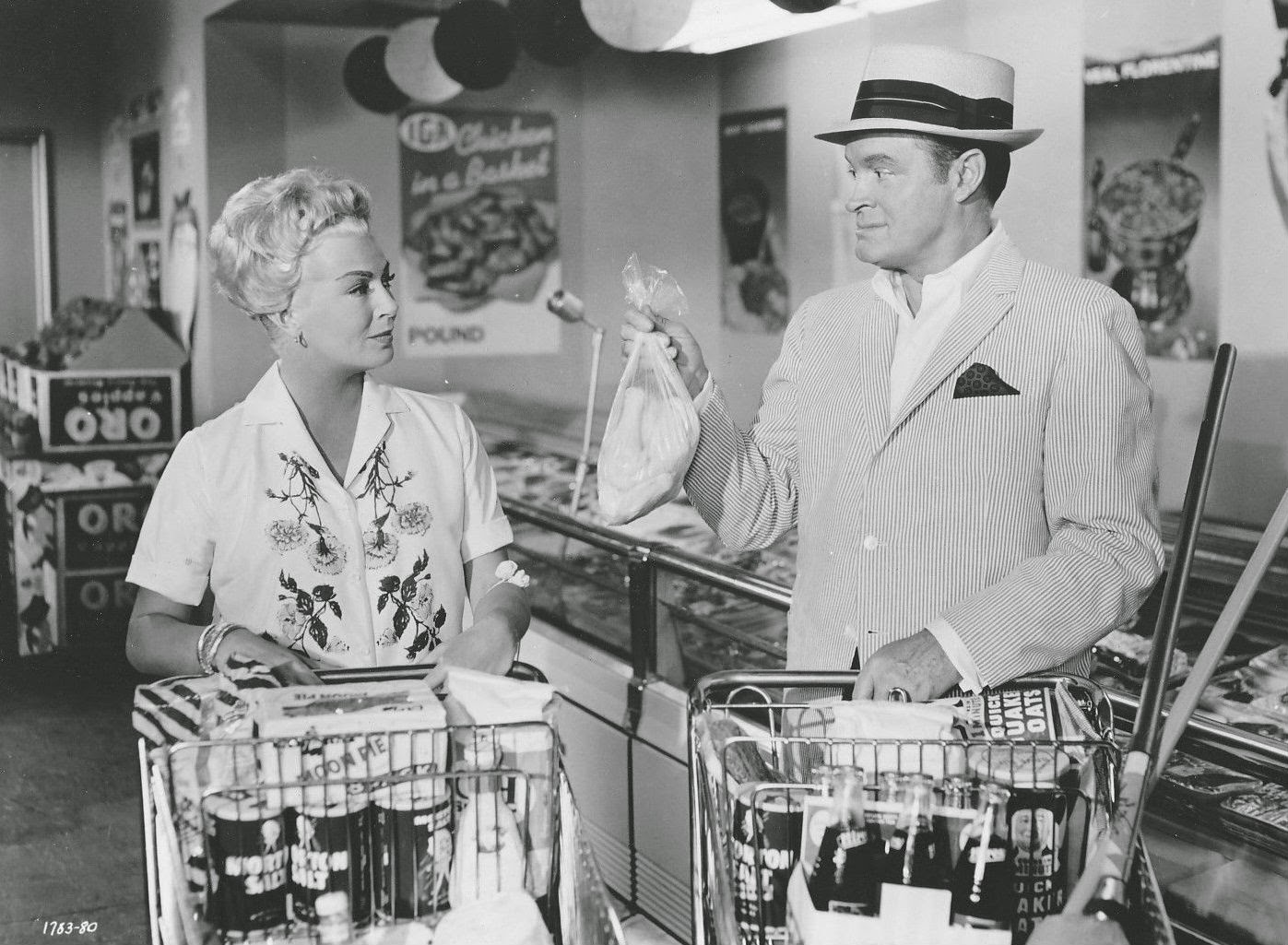
Bob Hope stars as AJ Niles, a world-renowned author of a series of books examining the lifestyle, eating habits, and sex life of the Europeans. His research keeps him busy all across the continent and his books have made him over a million in revenue. However, when he returns to the States after a 14- year absence, he finds his business manager has skedaddled to Mexico and left him with the IRS hounding him for over $600,000 in unpaid income taxes. His publisher suggests he write another book to help pay off this debt, this time about the Americans. Niles reluctantly goes undercover in a typical modern pre-planned housing development in California's San Fernando Valley to examine men, women, and their lifestyle for his latest tell-all book, "How the Americans Live". 

Niles rents one of the last available homes from Rosemary Howard, played by the glamorous Lana Turner, whom he also hires as a secretary to help with his writing. As a bachelor, his presence in the family-oriented community of Paradise Village causes intrigue and arouses excitement in some of the housewives - notably Dolores (Janis Paige), the neglected wife of Paradise's developer Mr. Jynson (Don Porter). Niles decides that what Paradise needs is passion and begins educating the baby-saddled housewives in the language of l'amour. His advice to add spice to their marriages works well in some households but downright terrible in others. Jim Hutton and Paula Prentiss play one of these young married couples in their third on-screen teaming, after the two lanky stars made a splash in Where the Boys Are (1960). 


The housewives are happy to get a little romance back into their lives, but some of the husbands believe that Niles is out to wreck their marriages instead. In truth, he only has eyes for Rosemary, and it's obvious that the world's most famous bachelor won't remain single for long. 

"I came out here to tell you what a despicable person you are" - Rosemary
"You might get an argument, I'm very fond of me" - A.J


Lana Turner was making a number of lush Ross Hunter soap operas (Imitation of Life, By Love Possessed) when she returned to MGM after a five-year absence to make Bachelor in Paradise, released in November 1961. The breezy comedy offered her a welcome change of pace from her turbulent home life. At the time, her daughter, Cheryl Crane, had been acquitted for killing Turner's gangster boyfriend Johnny Stampanato, and had recently been committed to a psychiatric institute. 


Bob Hope enjoyed a change of pace as well.... for a Hope vehicle, Bachelor in Paradise offered him a meatier plot line than his prat-filled comedies of the 1950s. The Facts of Life and Paradise revamped the comedy formula Hope was tied to in the previous decade and created a new style that he would eventually wear out as well. 

"It would be pink" - A.J, looking at the new house
"That's not pink! It's California Coral" - Rosemary

Bachelor in Paraidse is an amusing comedy and, like two other films of the era - Good Neighbor Sam (1964) and Send Me No Flowers (1964) - it offers a nostalgic slice of suburban American life in the early 1960s. Happily, the picture is not confined to indoor sets and we get to follow A.J. Niles as he visits a shopping center (eggs were 42 cents a dozen!), a bowling alley, drive-thru hamburger stand, and the Pig Pit BBQ restaurant, where a tipsy Rosemary displays her hula movements, much to the delight of Niles. Alas, in the final court sequences, the film flounders and not even Agnes Moorehead - appearing as the court judge- can keep the audience from emitting some mouth-stretching yawns at this point. 


The talented Henry Mancini penned a wonderfully light and fluffy score for Bachelor in Paradise and the theme song - with lyrics by Mack David - went on to earn a nomination for Best Song at the 1962 Academy Awards. During the ceremony, Ann-Margaret performed a scintillating rendition of the song and her performance turned her into an overnight sensation and launched her image as a sex kitten. 


For an afternoon's amusement, the chuckles Bachelor in Paradise bring can't be topped and spotting the myriads of familiar faces to be seen in the film (John McGiver, Reta Shaw, Roberts Shore, to name a few) only adds to the entertainment. 

Be sure to check out Robby Cress' great post on Paradise Village and how the area looks like today, over at his blog Dear Old Hollywood. Also, stay tuned for our own look at the floor plan to Rosemary Howard's home in Paradise. 

Saturday, September 5, 2026

From the Archives: The Blue Veil (1951)


Is that Vivian Vance?? It certainly is! And she is standing besides none other than Charles Laughton. Jane Wyman has an expectant look on her face which, if you have seen the film, you probably know why.... personally, I have not watched the film yet, so I don't know what this scene is about but it looks like an interesting movie. 

From the Archives is our latest series of posts where we share photos from the Silverbanks Pictures collection. Some of these may have been sold in the past, and others may still be available for purchase at our eBay store: http://stores.ebay.com/Silverbanks-Pictures 

Saturday, August 29, 2026

The Girl Most Likely (1958)

In The Girl Most Likely, Jane Powell stars as Dodie, a young woman who dreams of marrying a millionaire and living "the life." Her current steady Buzz (Tommy Noonan) loves her dearly and vows to give her the high life as soon as he makes it big in real estate so Dodie accepts his proposal of marriage even though kissing him doesn't set her on a "pink cloud" like she thought it would. 

The next day she meets handsome Pete (Cliff Robertson) whom she thinks is yacht-owner and millionaire Neil Patterson Jr. He's not.... he's simply Pete, the mechanic. However, kissing him puts her on the pink cloud so when he proposes to her the next night, she accepts! 

The following day she finds herself in a greater pickle when she actually does meet the Neil Patterson Jr. (Keith Andes) and he takes her on a whirlwind trip to Mexico and proposes to her as well. She caught the millionaire she always wanted! Dodie's got three fiancées now and one big decision to make. 

The Girl Most Likely (1957) is not likely to be a title you've heard of because it is rarely shown on television and is not written up as one of the great 1950s musicals - probably because it isn't. The film starts off pleasantly, slowly climbs up the roller coaster in the middle, and then quickly takes a big dip before it ends with a slight jerk. The story is amusing, Jane Powell and Kaye Ballard (as her friend Marge) are fantastic, as are all the fellas, and the musical numbers are fun too, it is just the script that took a dive 2/3 of the way in. Keith Andes entrance as Neil Patterson Jr. could have been better and his whole segment on the yacht and in Mexico pulled the film down. Keith Andes was a great actor but this was just poor material to work with. 

Does that mean the film isn't worth watching? Certainly not! It's great fun to watch and the music, beginning with the Hi-Lo's fantastic opening song "The Girl Most Likely," compliments each scene nicely. Hugh Martin and Ralph Blane penned most of the songs while Gower Champion created some clever choreography (that it seems inspired Onna White's dances for Bye Bye Birdie in 1963). 

Jane Powell elevates the picture immensely. She brought a touch of the MGM class to the RKO studios. Also in the cast is Una Merkel and Frank Cady as Dodie's parents, Judy Nugent (from Disney's Annette serial) as Dodie's sister, and Kelly Brown, who should have become another Russ Tamblyn. 

The Girl Most Likely was filmed on location in Balboa Island, California, and at RKO's Hollywood studio at 780 Gower Street, where it was the last picture made before the studio was demolished. Filming completed in 1957, but the picture was not released until 1958 (by Universal-International) where it failed to make a dent in the box-office. Jane Powell once quipped (in a 1987 "Films in Review" profile) that Universal-International didn't release the film, they simply allowed it to "escape". Ouch! 

Saturday, August 22, 2026

Film Albums: Rene Touzet Goes to the Movies (1962)


This is a fun album! It not only boasts that great album cover with the director's clapboard and all the titles listed, but the sound is fantastic - Rene Touzet mixes the musical style of Les Baxter with Peter Nero to get a uniquely Touzet sound. 

Rene Touzet was a Cuban bandleader and pianist so these covers of popular movie themes of the early 1960s definitely have a Latin rhythm to them. Can you imagine "Small World" in the style of Perez Prado's "Patricia"? That's what it does sound like. "Maria" is delightfully Spanish-sounding, "Exodus" becomes danceable, and "Moon River" was turned into a bossa nova - neato! Best of all - "Till There Was You" was transformed into a cha-cha!

Ready to listen to Touzet? Click here to hear the entire album on Youtube. 

Track Listing

Side One:

Theme from The Wonderful World of Brothers Grimm

Tender is the Night

Small World

Maria (West Side Story)

Baby Elephant Walk (Hatari)

Moon River (Breakfast at Tiffanys)

Follow Me (Mutiny on the Bounty)


Side Two: 

El Cid

My Romance (Jumbo)

Never on Sunday

Till There was You (The Music Man)

Tonight (West Side Story)

Invitation

Exodus

Top Picks: Brothers Grimm Theme, Small World, My Romance, Till There Was You, Exodus

Wednesday, August 19, 2026

The Impossibly Difficult Name that Movie Game

This man talked so fast, it was hard to get a non-blurry image of him - but here he is! Doesn't he look familiar? Possibly....possibly not, depending on if you saw this movie...

As always, if you are not familiar with the rules to the Impossibly Difficult Name that Movie game or the prize, click here.

Monday, August 10, 2026

Rewind Review: Voyage to the Bottom of the Sea (1961)

"Dive! Dive!"

Film producer/director Irwin Allen let audiences dive deep into the waters of adventure with Voyage of the Bottom of the Sea, his second of three feature films that he made at 20th Century Fox studios in the early 1960s. Prior to gaining a reputation as "The Master of Disaster" because of his disaster-themed films of the 1970s, Allen tried his hand at writing, producing and directing adventure pictures. His first production for Fox - Lost World (1960) - was co-written by Charles Bennett and its success at the box-office led to the two men collaborating on another Jules Vernes-like story. They took some inspiration from "20,000 Leagues Under the Sea" and created a clever story about a modern era atomic submarine 

Walter Pidgeon stars as the cigar-chomping Admiral Nelson, inventor and commander of the newly built atomic sub Seaview. The Seaview is on diving trials in the Arctic Ocean when they discover boulder-size pieces of ice crashing into the sea around them. They surface and find that temperatures are over 100 degrees and the sky is aflame. A meteor shower had pierced the Van Allen radiation belt and caused it to catch on fire. Admiral Nelson and his right-hand man, Commodore Emery (Peter Lorre) believe that the Earth can be saved from burn-up if a missile were to be shot into the Van Allen belt to create an explosion. According to their calculations, this missile can only be launched from the Mariana Islands, and so the Seaview races to the south to reach the islands before the entire world burns. 
Along for the ride is Dr. Susan Hiller (Joan Fontaine), a psychologist who is studying crews for their reaction to stress, Vice-Admiral B.J. Crawford (John Litel), and Congressman Parker (Howard McNear). The voyage progresses smoothly until doubts begin to arise in the mind of Captain Lee Crane (Robert Sterling) as to whether the admiral is making a sound and safe decision. Lt. Connors (Barbara Eden) has complete faith in the admiral but cannot explain the unusual happenings onboard the Seaview... acts of sabotage that appear to be of Admiral Nelson's doing. 
Voyage to the Bottom of the Sea is a fun adventure flick packed with action. The race-against-time element makes the story exciting enough, but Allen threw in a touch of mystery with the added story of the saboteur. There are also two octopus attacks and a great mine-field sequence. 

The Van Allen radiation belts had only recently been discovered when Irwin Allen began writing Voyage to the Bottom of the Sea, and so much about them was still unknown. The idea of the Van Allen belt catching on fire was later proven to be impossible, but at the time, it probably sent shivers down audiences thinking about it being an actual possibility. 

Even though most of the film takes place within the confines of the Seaview, the film never feels stagebound. The sets, created by Herman Blumenthal, were very imaginative (they were later reused for the television series). The Seaview itself is an especially good design. 
Irwin Allen plunged $1.5 million dollars into the making of Voyage to the Bottom of the Sea and it paid off handsomely. Critics gave the picture mixed reviews but audiences loved it and the movie raked in over $8 million dollars. 

Teen singing-sensation Frankie Avalon helped to lure in the young female audience. His part was not very dramatic and, surprisingly, he didn't sing in the film but you can hear his voice crooning the opening credits. 

Also in the cast was Michael Ansara (who fell in love with and married Eden after making the movie), Regis Toomey, Henry Daniell, Skip Ward and Mark Slade. 

Sunday, August 9, 2026

From the Archives: Three Guys Named Mike (1951)


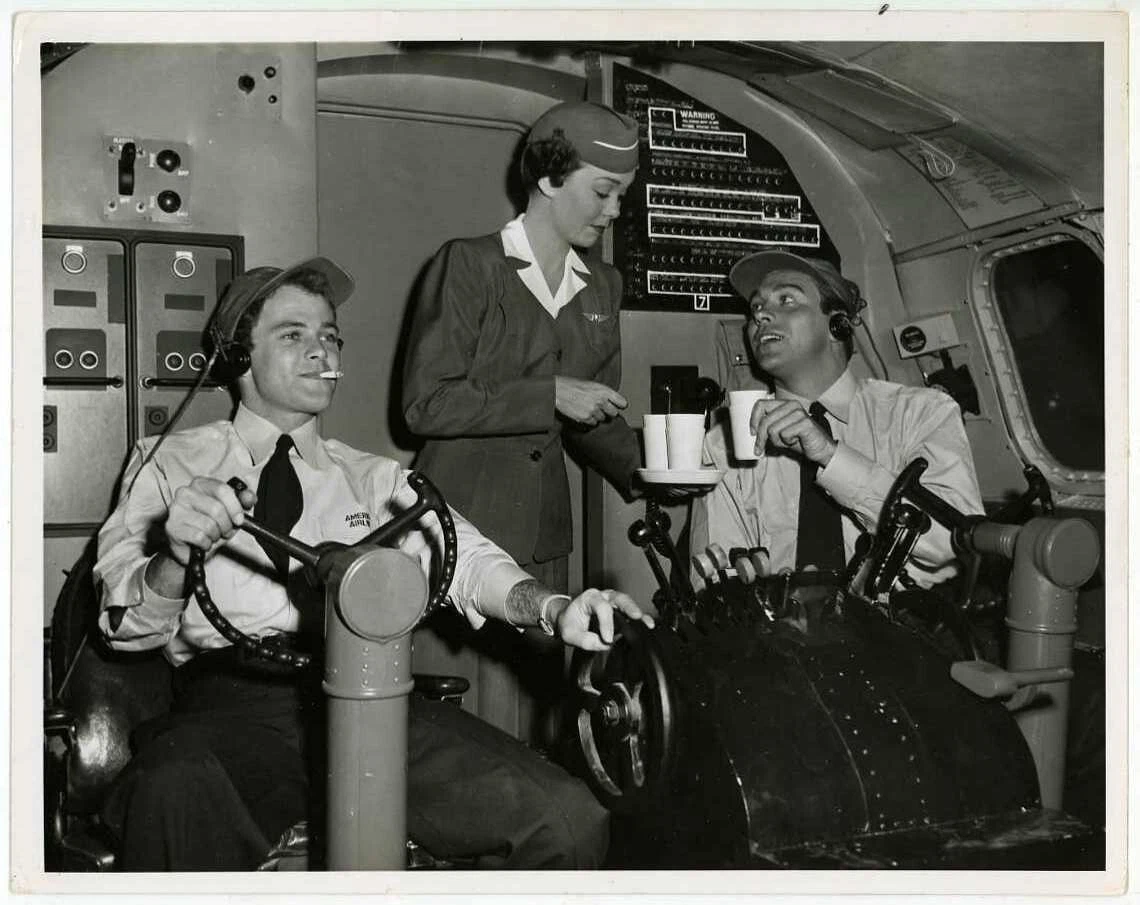
Watch that coffee, stewardess!! Evidently, Jane Wyman didn't watch Fate is the Hunter otherwise she would have known not to bring coffee into the cockpit! Oh wait, that movie wasn't released until thirteen years after this film, I guess she is excused.  Three Guys Named Mike is exactly what you would expect from such a title - one woman debating about the three men in her life all named Mike. One of them is played by the always dependable Howard Keel (right). 

From the Archives is our latest series of posts where we share photos from the Silverbanks Pictures collection. Some of these may have been sold in the past, and others may still be available for purchase at our eBay store: http://stores.ebay.com/Silverbanks-Pictures 

Friday, July 31, 2026

Surf Party (1964)

We all know Frankie Avalon and Fabian made beach movies, but who would have guessed that Bobby Vinton "The Polish Prince" made a beach movie? Believe it or not, he was a pretty good actor, too.... definitely a notch above Fabian. 

Surf Party follows the adventures of three young women who travel from Arizona to Malibu in a trailer with the sole purpose of hitting the beach and learning to surf. They picked a certain stretch of Malibu coastline because the older brother of Terry (Patricia Morrow), one of the girls, lives in Malibu and is a local "surf king." They meet Len (Vinton), who works at the local surf shop, and he gives them private surfing instructions... which naturally leads to Terry falling in love with him. Trouble ensues when they discover that Terry's brother isn't the hotshot others make him out to be and instead is a sponger and a bad influence of the surfers. When Len warns Terry about him, she walks away from him which makes Len "Mr. Lonely" with a capital L. 

Surf Party was released in 1964 and, judging from its title, was hoping to capitalize on the fame of Frankie Avalon and Annette Funicello's first sunshine success Beach Party. This movie should have been called Surf Tension instead because it doesn't have much of a party-feel to it and is more dramatic than most drive-in surf flicks. The acting from most of the youngsters is on the bland side but they were doing the best they could with the minimal script they were working with. Bobby Vinton's acting ability was surprisingly good. Too bad he wasn't given more film roles and better scripts. 

Most of Surf Party is made up of musical interludes from the record-charters of the day including The Astronauts, The Routers and Jackie DeShannon, who plays one of the three girls. Surf Party took only a month to film and a week to forget. It could definitely have benefited from color filming. You don't have to go out of your way to track this picture down unless you are a Bobby Vinton fan and, even then, you may be disappointed as he only sings one song in the film - If I Were an Artist.  

Tuesday, July 28, 2026

Film Album: Love Themes from Cleopatra (1963)


Most film albums feature a variety of themes from different films and title their album with the key theme, such as "Theme from the VIPS and other Film Hits".... but this album struck me as unique because Ferrante and Teicher decided to focus strictly on the music of Cleopatra (1963). Or so one would think with the title "Love Themes from Cleopatra" but if you read the back liner notes you will find that there are really just two songs from the 1963 Elizabeth Taylor epic ("Caesar and Cleopatra Theme" and "Anthony and Cleopatra Theme") with the remaining songs being "an assortment of romantic melodies steeped in an exotic orientation." What a lovely way to phrase this! 

The dueling pianists Ferrante and Teicher had a major hit with their version of the love theme "Anthony and Cleopatra," so it is no surprise that it headlined an album of its own. What is a surprise is that Ferrante and Teicher's names appear as composers on two songs in this album - "Sirocco" and "Sands of Time". Very interesting. 

Check out this album and, even if ancient orient themed music isn't your cup of tea, you may be surprised to find out how entertaining this album is! Listen to it in full on Youtube here. 

Track Listing

Side One:

Anthony and Cleopatra

Caravan

Moonlight on the Ganges

In a Persian Market

Sirocco

Sheherazade


Side Two: 

Caesar and Cleopatra

Samson and Delilah (not the film theme)

Devotion

Orientale

Sands of Time

Procession of Sardar

Top Picks: Sirocco, Caesar and Cleopatra, Orientale, Sands of Time

Saturday, July 25, 2026

Rewind Review: The Horse in the Gray Flannel Suit (1968)

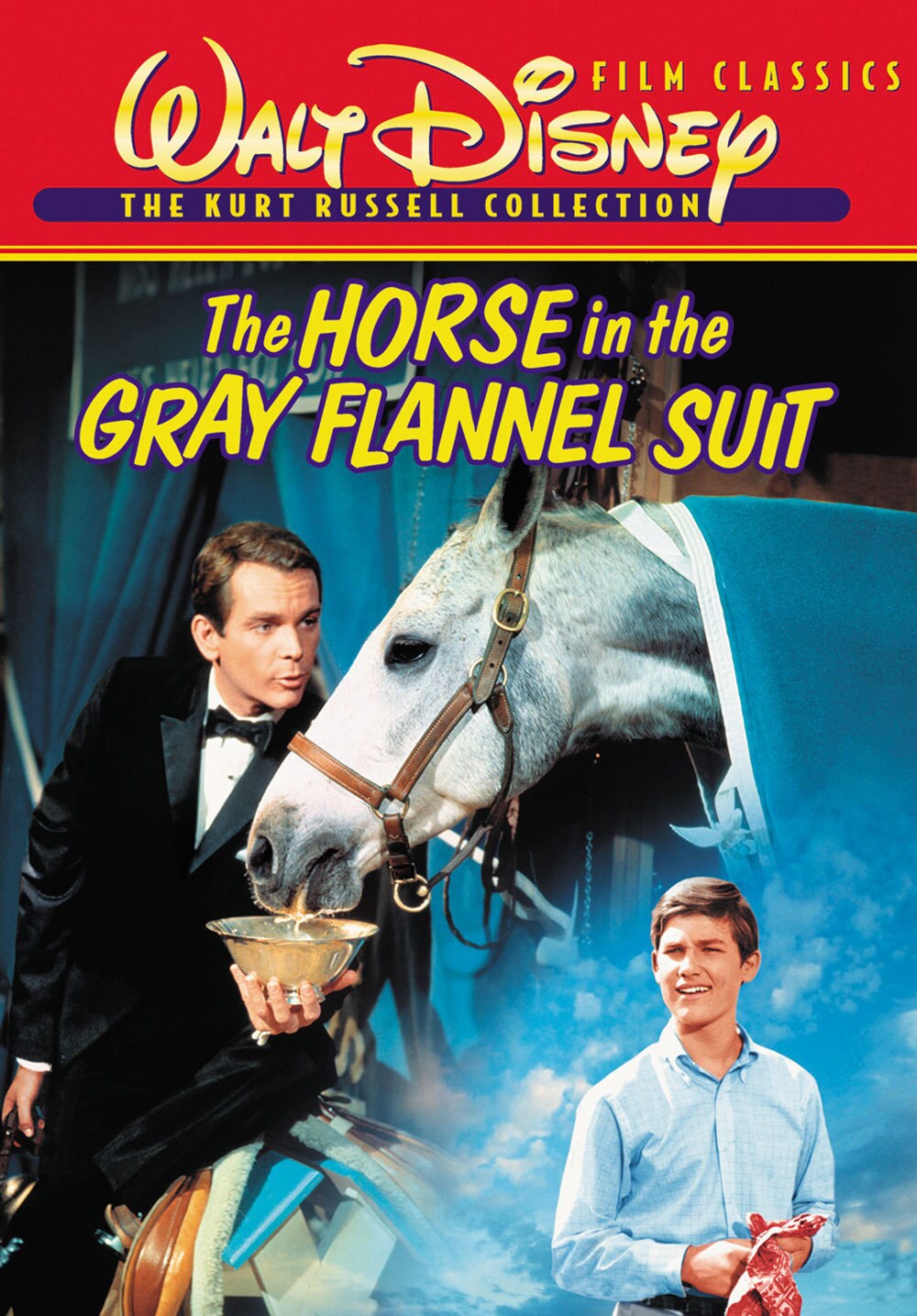
The Horse in the Gray Flannel Suit really has no bearing on horse racing but rather covers an event in the equestrian world that has seldom been depicted in the motion pictures - horse jumping.

Advertising executive Frederick Bolton (Dean Jones) finds he is up to his neck in bills and in stress. His daughter Helen (Ellen Janov) desperately wants a horse - which he cannot afford - and his boss wants him to dream up a winning advertising campaign for a prestigious pill company "Aspercel" by tomorrow - or else, lose his job. 

After hours scheming up campaign angles, a bolt of inspiration hits him and he finds it may just be a solution that will please both his boss and his daughter: enter a horse named Aspercel in horse jumping competitions across America. What better way to instill in the minds of the social elite the tongue-tripping name of Aspercel and receive headline coverage nationwide? 
The Horse in the Gray Flannel Suit was based on the novel "The Year of the Horse" by Eric Hatch, who was an author and screenwriter best known for My Man Godfrey and Topper. The film was originally planned to be released as The Year of the Horse, but instead, the publicity department decided to pun the popular 1956 Gregory Peck film The Man in the Gray Flannel Suit, which also dealt with the world of advertising. 
Dean Jones' comedic skill in the short-lived television series "Ensign Pulver"(1963), had caught the eye of Walt Disney and when the series was canceled he was cast as the handsome cat-chasing FBI agent in That Darn Cat (1965). Jones has come to be known for his family man roles of the 1970s, but in the 1960s he was usually cast as a bachelor or a childless husband. In this film, he portrays a widower, whom we imagine has not been on a date since his wife's passing. Like most of his roles, he plays Fred with a lot of harried gestures and frequent bursts of nervous laughter.
Ellen Janov was performing at a club in Palm Springs singing when she was spotted by a Disney exec and screen-tested for the role of Helen Bolton. She was fifteen years old at the time of filming and this was the only picture she ever made. Later, she recorded a few songs released through Capitol Records before becoming a primal therapist in Los Angeles. She died tragically at the age of 22 in a house fire. 

                               " For $2,000 I'd jump a few fences myself "
The lovely Diane Baker was making her first - and only - appearance in a Walt Disney production as Suzie "S.J" Clemens, Helen's riding instructor. Suzanne Pleshette could have easily played her role as well, but it is nice to see Baker in this part. The riding habit suits her.

Kurt Russell, who was soon to become one of Disney's biggest stars, had a supporting role as Helen's boyfriend Ronnie, while Morey Amsterdam provided comic relief as Fred's co-worker Charlie.  Lloyd Bochner, Fred Clark, Alan Hewitt and Lurene Tuttle rounded out the cast. 

The star of the film "Aspercel" was really Albarado, a dapple grey jumper who practically steals every scene he is in from the principal actors. In certain scenes, he was doubled by Sir Winston and Could Be, but don't ask us which scenes those were. 

The beautiful Bolton estate and other location scenes were filmed on Disney's 900 acre Golden Oak ranch near Newhall, California.

The Horse in the Gray Flannel Suit was the first film to be marketed with "Walt Disney Productions Presents" after Walt's death in 1966. It was released on December 20, 1968, along with the short, Winnie the Pooh and the Blustery Day, but alas, the film was not the big success it was hoped to be. It brought in only $3.3 million dollars (half of what The Ugly Dachshund fetched).

"Aspercel, Aspercel...take one pill it'll make you well. If you're dead....your dead."

The Horse in the Gray Flannel Suit doesn't have the belly-laugh comedy of some of the better Disney films and, in spite of its marketing, isn't really a comedy at all. Aside from some amusing scenes of Dean Jones riding Aspercel bareback, it is more of a warm domestic drama. Like The Happiest Millionaire, it seems as though the Disney studios were experimenting with trying to capture an older audience. The film gently delves into a variety of different sub-surface topics such as gender equalities and single-parent child-raising all the while keeping the audience entertained and amused with its central theme - horses. 
One of the more important dramatic aspects of the story plot, however, is the psychological trauma of children who support their family. Unbeknownst to Fred, his eagerness to make his publicity plan work puts a lot of untold pressure on the shoulders of his daughter. Helen feels that she is homely and that boys do not like her. Her equestrian skill is the only substance for her self-confidence, but she finds she doesn't enjoy riding as much when she discovers that it is her medals that will either keep or break her father's position. When Fred shamefully realizes this it dawns on him that he has been valuing his job more than his family and quickly makes amends to change that.
The Horse in the Gray Flannel Suit is a personal favorite of ours because of its "feel good" quality. Like most Disney films, it leaves you with a sense of satisfaction after watching it. The film is colorful, features talented performers, an entertaining plot and - most amazing of all -actually does focus on what you would expect to see in it based on its title: horse jumping. The twenty-five-minute finale will make any horse lovers heart thump, with actual footage from the Washington D.C International Horse Show spliced in between sequences. Overall it's a tally-ho-ho show! 

Thursday, July 23, 2026

The Impossibly Difficult Name that Movie Game

We have been posting some tricky screenshots the past few months, so here is an easy one for summer... a happy singing gypsy! 

As always, if you are not familiar with the rules to the Impossibly Difficult Name that Movie game or the prize, click here.

GAME OVER. 

Congratulations to Damsbo for identifying this screenshot from Maytime (1935) starring Jeanette MacDonald and Nelson Eddy. In this scene, the two lovers are enjoying a gypsy performance at the Maytime fair. Avid MacEddy fans might recognize the back of Eddy's head in this scene! 

Friday, July 17, 2026

Safe at Home! (1962)

There were a number of sweet family films made in the early 1960s and Safe at Home! is one of them. It was released by Columbia Pictures in 1962. The film was publicized as a light-hearted comedy but there really is very little comedy about it, it is just a simple story of a little boy who wants to see his heroes Mickey Mantle and Roger Maris so he can ask them to visit his little league baseball team. This little boy "Hutch" was admirably played by Bryan Russell (the Bye,Bye, Birdie boy) who was making his film debut. 

Hutch's father (Don Collier) runs a charter boat business in Florida and has very little time to watch his son play baseball. When another boy teases Hutch that his father knows nothing at all about baseball, Hutch tells a whopper of a lie: that his father knows everything about baseball and his best friends are Yankees players Mickey Mantle and Roger Maris. The entire little league and their coach hear about this and ask Hutch to bring the all-stars to see one of their games. Hutch could have easily told them that Mantle and Maris were too busy with spring training to come but then there wouldn't be much of a film. So instead, he runs away from home and hides out at the Yankee's training camp in Fort Lauderdale where he gets to meet his heroes and their coach Bill Turner (William Frawley in his last feature film role).
Hutch is a loveable youngster and he has a number of allies "in his corner" including Mike, his best friend (played by Scott Lane); Joanna, whom he hopes will become his mother (played by the lovely Patricia Barry); and a cute orange tabby cat. 

Safe at Home! meanders along at a gentle pace and never picks up speed but, nevertheless, it never gets tiresome. It plays like a good family soap opera and keeps its audience interested - especially if the viewer is a baseball fan. Mickey Mantle and Roger Maris were obviously no great actors, but they read their lines with conviction and had tremendous support from William Frawley who could put the most inexperienced actor at ease. 

If you want to enjoy an evening of baseball films, then check out the DVD release of Safe at Home! where it is double-featured with the William Bendix comedy Kill the Umpire!.

Tuesday, July 14, 2026

From the Archives: Move Over, Darling (1963)


"Gadzooks! My husband is going to re-marry?!" Doris Day looks stunned in this scene from the Universal comedy Move Over, Darling (1963) starring Day, James Garner, Chuck Connors, and Thelma Ritter. 

From the Archives is our latest series of posts where we share photos from the Silverbanks Pictures collection. Some of these may have been sold in the past, and others may still be available for purchase at our eBay store: http://stores.ebay.com/Silverbanks-Pictures